
Think of Public Liability Insurance as the site’s most important rule. It’s insurance that covers you if you accidentally hurt someone or damage property while you are working. However, for Bricklayers we know you just want to get the job done and move on. Accusations of physical damage can take months to resolve, or years depending on the extent of damage. Being uninsured in these events means all your energy, time, and money would go towards defending yourself, compared to letting your insurer carry the paperwork.
Bricklayers Insurance
What is Bricklayers Public Liability Insurance?
Why Bricklayers Must Have It
- Site Access: Almost every builder, project manager, and head contractor in Australia demands a current public liability certificate before you can step on site. No certificate, no work, no pay. Simple as that.
- Dropping a Brick: Imagine you are working three storeys up. A brick falls off the scaffolding, where does it go? Into a car, into the neighbor, or worse, hits a pedestrian below. Public Liability pays for the damage (the window repair) or the injury claim (the hospital bills and legal fees).
We get you cover for the standard $10 million or $20 million limit required by most major Australian builders. More importantly, we get your Certificate of Currency emailed to you fast.
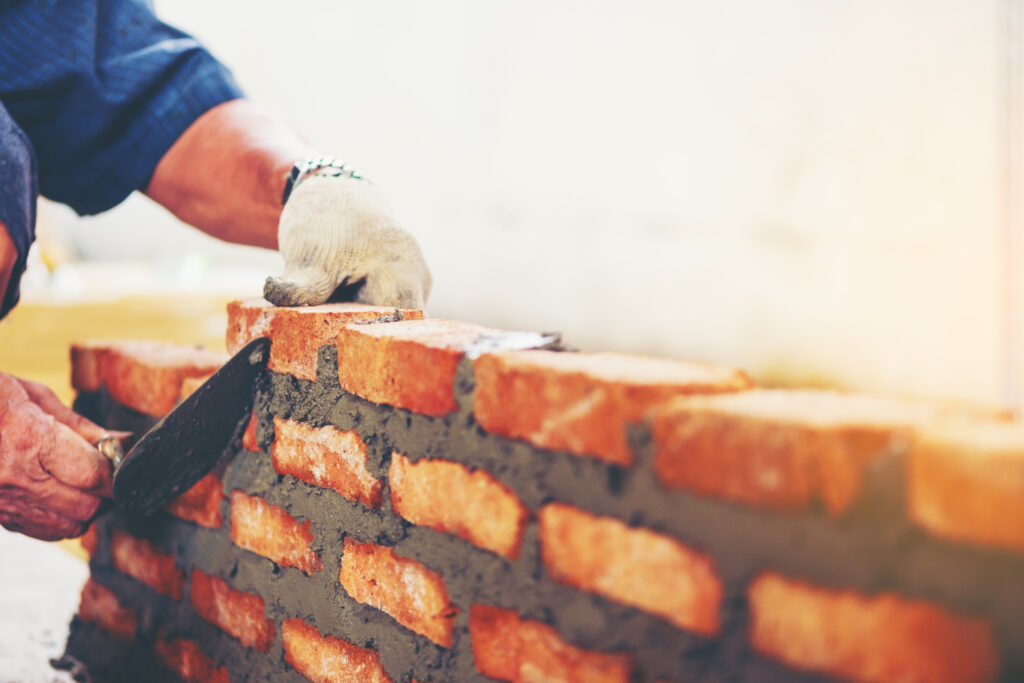
Bricklayers Tools
Your tools are your livelihood, scooping on cement with your hand compared to a trowel is wildly inefficient. Mixing cement by hand because someone stole your electric mixer is wildly inefficient. Losing your tools means wasting excess time on the basics, delaying your work, and being paid less per hour. It stops you earning money instantly. This policy covers your tools and equipment if they are stolen or damaged by events like fire, flood, or a vehicle accident.
Key Coverage Points for Bricklayers:
Theft from Site: Covers theft from a locked site storage container.
Theft from Ute or Trailer: This is the most common claim. If a thief breaks into your locked vehicle or locked trailer overnight and steals your expensive gear, this policy pays to replace them.
Fire/Storm: If your workshop burns down or your trailer is wrecked in a storm, your tools are replaced.
Expert Tip for Bricklayers: You must check the fine print! Some cheap policies will not pay out if your tools were left in an unlocked vehicle or in the open air. Always lock up your gear to make sure your insurance pays when you need it.
For Australian bricklayers, Commercial Motor Insurance is a vital tool, especially since your vehicle (often a Ute or truck) is not just transport, but a mobile office and workshop. Your personal car insurance policy may not cover losses if your vehicle is primarily used for work carrying tools, materials, and traveling between multiple job sites. Commercial motor coverage protects your vehicle against damage from accidents, fire, and theft, ensuring you can quickly replace or repair it and keep working. This is crucial because if your Ute is off the road, your ability to get to site and transport your essential equipment, like your mixer and scaffolds, stops dead, pausing your income stream. This is why we also often recommend hire car costs so when a claim occurs, you can get another vehicle as soon as possible to keep you on the road.
Accident & Sickness
Look down at your hands. They lay bricks, mix mortar, and feed your family. If one of them is broken, twisted, or out of action, you cannot work. If you can’t work, the money stops.
This is the most important story you need to hear, because this is the policy that protects you, not just your gear or the site.
Imagine this:
It’s a hot Tuesday afternoon. You step off a low-level scaffold. You think you’re clear, but your foot rolls on a loose gravel. CRACK! It’s a bad sprain or maybe a fracture. The doctor says six weeks off the tools.
The first week, you rest. The second week, the bills start coming. The third week, you realise your savings are gone. Your phone stops ringing because you can’t quote jobs.
It’s not the injury; it’s the loss of income.
What is Accident & Sickness Insurance?
A&S replaces your regular weekly income if you are temporarily unable to work due to an accidental injury (like that rolled ankle) or an unexpected illness (like a bad infection, or something worse).
It works like this:
- You get hurt and a doctor confirms you cant work.
- After waiting period (e.g. 7 or 28 days), the insurance company starts sending you a regular weekly payment directly into your bank account.
- This payment helps you pay the mortgage, rent, groceries, and bills while your body heals.
Accident & Sickness is not often compulsory, although some form of injury insurance is becoming more common in workplace contracts. It is the policy that keeps your family afloat. Don’t let one bad step turn into a year of financial stress.
Risk Management Tips
Internal policies and procedures are the first line of defense before relying on your insurance. Insurers understand mistakes happen, must learning and minimisng financial losses are critical to reduce premium hikes after a claim. Below are simple example steps to reduce your risk, keep your costs down, and prevent claims in the first place.
Maintain Insurance
- Your biggest risk is forgetting to renew your public liability insurance. Many tradies call up saying they have been trading uninsured as they missed their renewal.
- Digital Storage: Keep a copy of your Certificate of Currency saved as a PDF on your mobile phone and in your email. When the site manager asks for it, you can email it to them right there on the spot.
Protect Your Tools
- Never Leave Gear Visible: If you have to leave your Ute or trailer unattended, even for a short time, never leave expensive tools visible. Make is difficult for thieves, cover it with blankets or put it out of visual site.
- Use Strong Locks: Invest in high-quality, heavy-duty padlocks for your trailer and toolboxes. Keep a record of the serial numbers for all expensive power tools. This speeds up a claim if theft occurs.
- Park Smart: Park your vehicle or trailer in a well-lit area or one covered by CCTV when at home. If on site, secure it inside the main compound if possible.
Protect Your Body
- Scaffold Check: Before you climb a scaffold, always check its stability. Your job involves heights every day. A safe platform prevents a life-changing accident.
- Listen to Your Body: If you have a sore back, a twisted knee, or feel unwell, do not push through it. That is how small injuries become major, long-term problems. Take the rest day.
- Warm Up: Take two minutes before starting work to stretch your back, shoulders, and wrists. Bricklaying is repetitive strain work. Looking after your joints is the best insurance of all.
Final Word
You take pride in laying a straight, strong wall that will stand for decades. You should take the same pride in building a strong, secure financial foundation for your business and your family.
Insurance is not just another bill; it’s the solid foundation for your life. It ensures that if a brick falls, a tool vanishes, or your own body needs time off, you can survive, recover, and rebuild.
Click here or call us now for a simple, fast quote on your Public Liability, Tools, and Accident & Sickness cover.